September 11, 2026
In this article, we explore the impact of different material choices on the fence installation process, addressing common questions and concerns faced by homeowners and contractors alike. Choosing the right material can make a significant difference not only in terms of aesthetics but also in the longevity and maintenance requirements of the structure. The decision process involves various considerations including cost, durability, aesthetic preferences, and environmental impact. By delving into these aspects, we aim to provide a comprehensive understanding that can guide your fence installation project planning.
Compare Common Fence Materials
Among the most popular materials for fence installation are wood, vinyl, metal, and composite. Wood is a classic choice known for its natural beauty and versatility, suitable for a variety of architectural styles. Vinyl, on the other hand, offers a more modern appeal with its low maintenance and customizable color options. Metal, particularly aluminum and wrought iron, is lauded for its strength and decorative design capabilities, while composite materials offer a blend of wood appearance with the resilience of synthetic compounds.
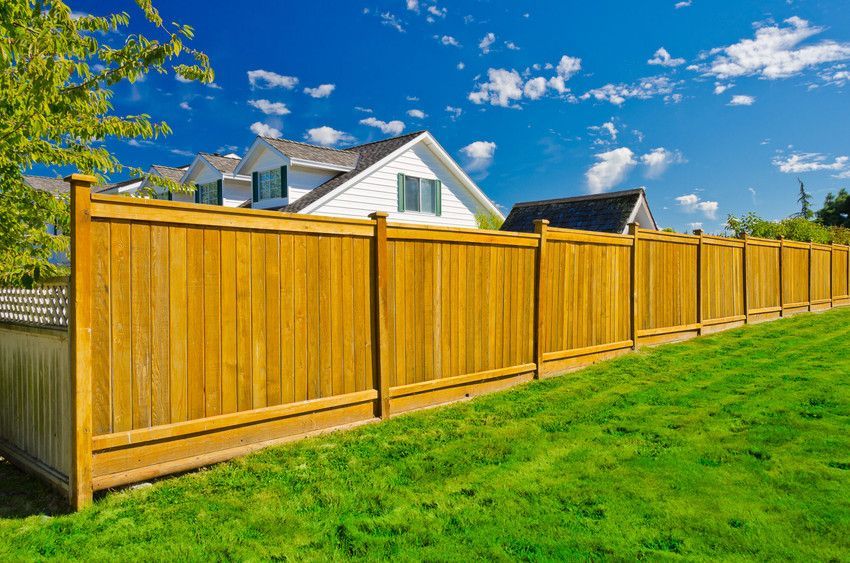
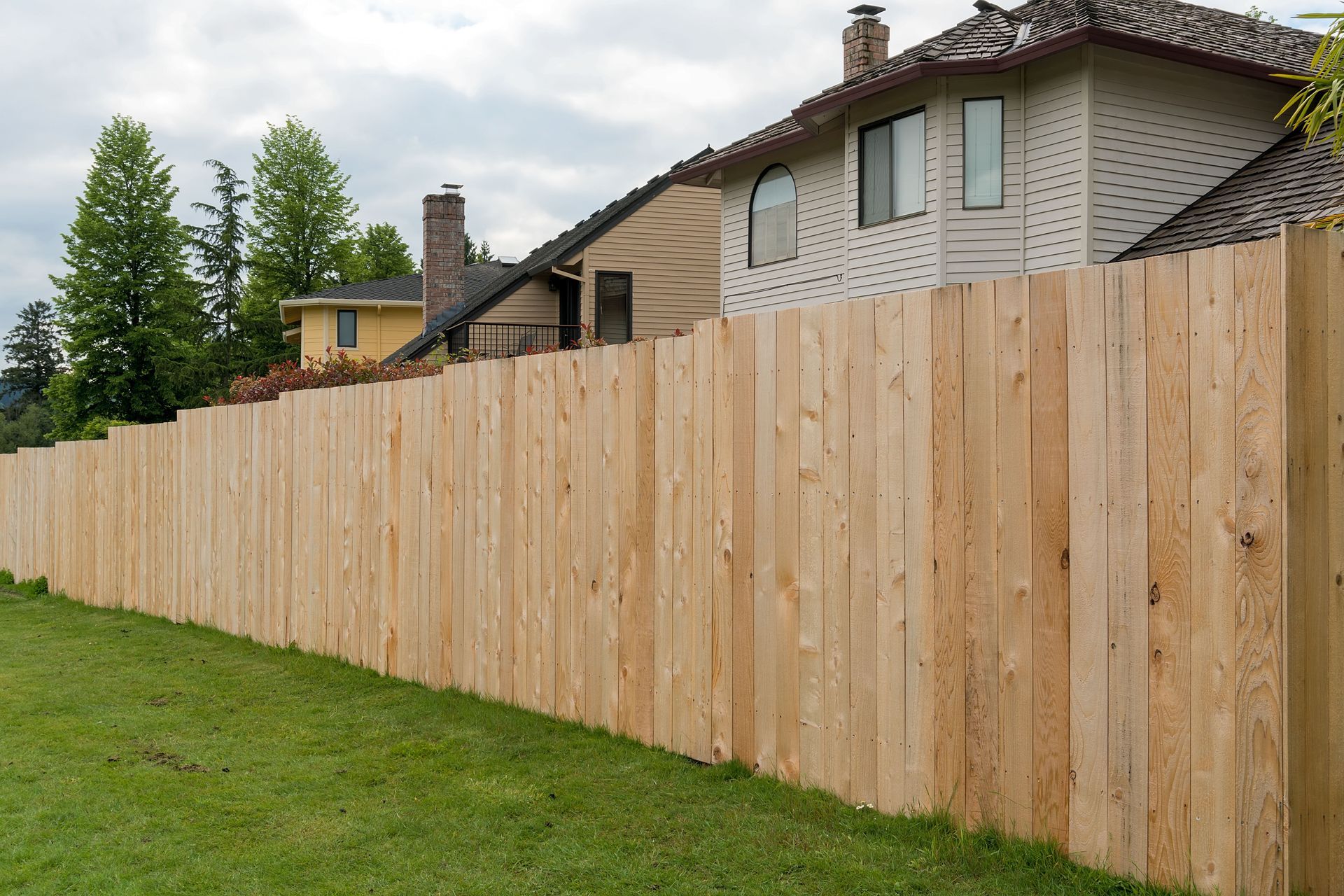
Wood fences come in various types, such as cedar, pine, and redwood, each offering unique benefits and aesthetic appeal. Cedar, for example, is prized for its resistance to rot and insect damage, making it a popular choice for homeowners who prioritize durability. Vinyl fences are increasingly popular due to their ability to withstand harsh climates and the minimal maintenance they require; according to The Spruce, when it comes to vinyl fencing, people typically opt for a fence in the four- to six-foot range, though taller and shorter options are generally available. Metal fences come in modular panels or custom designs, allowing for a highly personalized look while ensuring security and longevity.
Composite fencing is a relatively new option that combines the best qualities of wood and synthetic materials. It is made from a mix of wood fibers and plastic, creating a highly durable and low-maintenance material. Composite fences are resistant to fading, impact, and moisture, making them ideal for various weather conditions. This material offers the aesthetic appeal of wood with the added benefits of long-term durability and environmental sustainability, especially considering that many are made from recycled materials.
Consider Installation Costs and Long-Term Value
The cost of fence installation largely depends on the choice of materials, with wood generally being the most affordable option upfront. However, wood requires staining or painting, regular maintenance, and potential repairs, adding to its long-term expenses. Vinyl fences, while more expensive initially, offer savings over time due to their low maintenance and longevity. Metal and composite fences also represent a higher initial investment but come with the advantage of superior durability and minimal upkeep.
Labor costs can also vary depending on the material; some materials are easier and quicker to install than others. Vinyl and wood panels are typically straightforward for contractors to set up, resulting in lower labor costs compared to complex custom metal designs that require more craftsmanship and time. Additionally, the installation of composite fences, though less complex than custom metalwork, still demands precision to ensure a seamless appearance, which can affect the overall installation budget. Homeowners should consider these variables when planning their fence installation project.
It is important to balance the upfront costs with the long-term savings and overall value each material brings. For budget-conscious homeowners, opting for a lower upfront cost may be tempting, but considering factors such as maintenance, lifespan, and aesthetics could lead to more cost-effective decisions in the long run. Likewise, investing more initially in durable materials like composite or vinyl could save money on maintenance and repair costs over the years. Ultimately, aligning the choice of materials with your specific needs and budgetary limitations is essential for successful fence installation.
Evaluate Material Durability and Climate Resistance
The durability of fence materials is influenced by a combination of inherent material properties and environmental factors. Wood is susceptible to decay, insects, and weather conditions, which can significantly reduce its lifespan if not properly maintained. Treated wood or naturally resistant types like cedar can mitigate some of these issues, but regular maintenance is still essential. Conversely, vinyl and composite materials inherently resist such threats, providing more longevity with less attention.
Weather conditions can play a critical role in the durability of fence materials. For instance, metal fences resist weathering better than wood but can corrode if exposed to aggressive environments unless properly coated or galvanized. Vinyl fences stand up well to most weather, although extreme temperature fluctuations can cause brittleness over time. Composite fences offer excellent resilience against weather, maintaining their structural integrity without the risk of cracking, rotting, or insect damage, making them an ideal choice in challenging climates.
Proper installation is also pivotal in extending the lifespan of any fencing material. Regardless of the material, poor installation practices can shorten the fence's life through issues like improper alignment and foundation setting. Hiring skilled professionals ensures the fence is sturdy and well-anchored, adapting to environmental expansions and contractions. Therefore, it is essential to not only select the right materials but also to ensure they are installed correctly for long-term durability and satisfaction.
Balance Aesthetics With Practical Needs
The aesthetic appeal of fence materials is a major factor influencing homeowners' decisions, as it directly impacts the property’s curb appeal. Wood fences offer a classic, natural look that can be customized with various stains or paints to match the architectural style of the home. Vinyl fences are favored in modern settings, providing a clean, crisp look that doesn't fade over time. Metal fences add a touch of elegance and sophistication, with wrought iron offering ornate designs that draw the eye.
Beyond traditional wood stains and finishes, bespoke options such as lattice designs or shadow box styles can add a unique aesthetic touch to wooden fences. Meanwhile, vinyl panels can mimic the look of wood without the associated maintenance, and they are available in a wide array of colors to suit any preference. Composite fences come in various styles and shades, including those mimicking the appearance of natural wood grain, providing an attractive alternative to traditional wood. This variety in styles and finishes allows for greater personalization and adjustment to meet individual tastes and property design goals.
Assess the Environmental Impact of Materials
Awareness of environmental impact is increasingly influencing material choices for fence installation among eco-conscious homeowners. Wood fencing, particularly if sourced sustainably, can be an eco-friendly option; however, it does require chemical preservation treatments, which can raise environmental concerns. Vinyl fencing, while synthetic, can be recycled and typically lasts longer, reducing the frequency of replacements and the associated resource consumption. Additionally, advancements in technology have led to the production of vinyl with lower environmental footprints during manufacturing.
Composite fencing is often lauded for its environmental benefits because it is made from a combination of wood fibers and recycled plastics. This not only diverts waste from landfills but also reduces the need for virgin resources. The manufacturing process for composite materials tends to have a smaller carbon footprint compared to that of traditional wood preservatives or the production of metal fences. As such, composite fences present a compelling option for environmentally minded homeowners seeking sustainability without sacrificing durability or aesthetics.
The choice of material can significantly influence every aspect of the fence installation process, from cost and durability to aesthetics and environmental impact. Making informed decisions can enhance both the functionality and appeal of your fence installation project. By considering these factors—popular materials, cost implications, durability, aesthetics, and environmental considerations—homeowners can make choices that best suit their personal and property needs. As the fencing industry evolves, staying informed about new materials and technologies will help ensure that your investments are wise and aligned with future trends. Reach out to Northwest Fence to learn more about our services today.